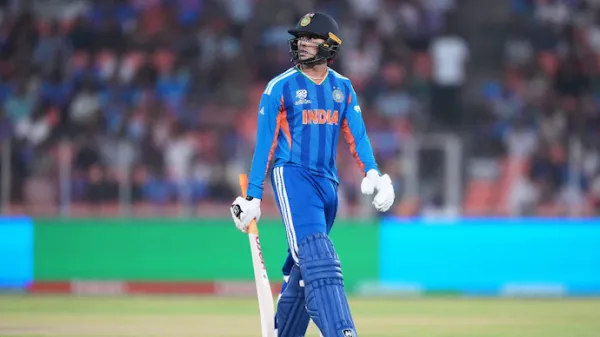
Preview: India vs South Africa, 10th Match, ICC Men's T20 World Cup Warm up Matches 2026

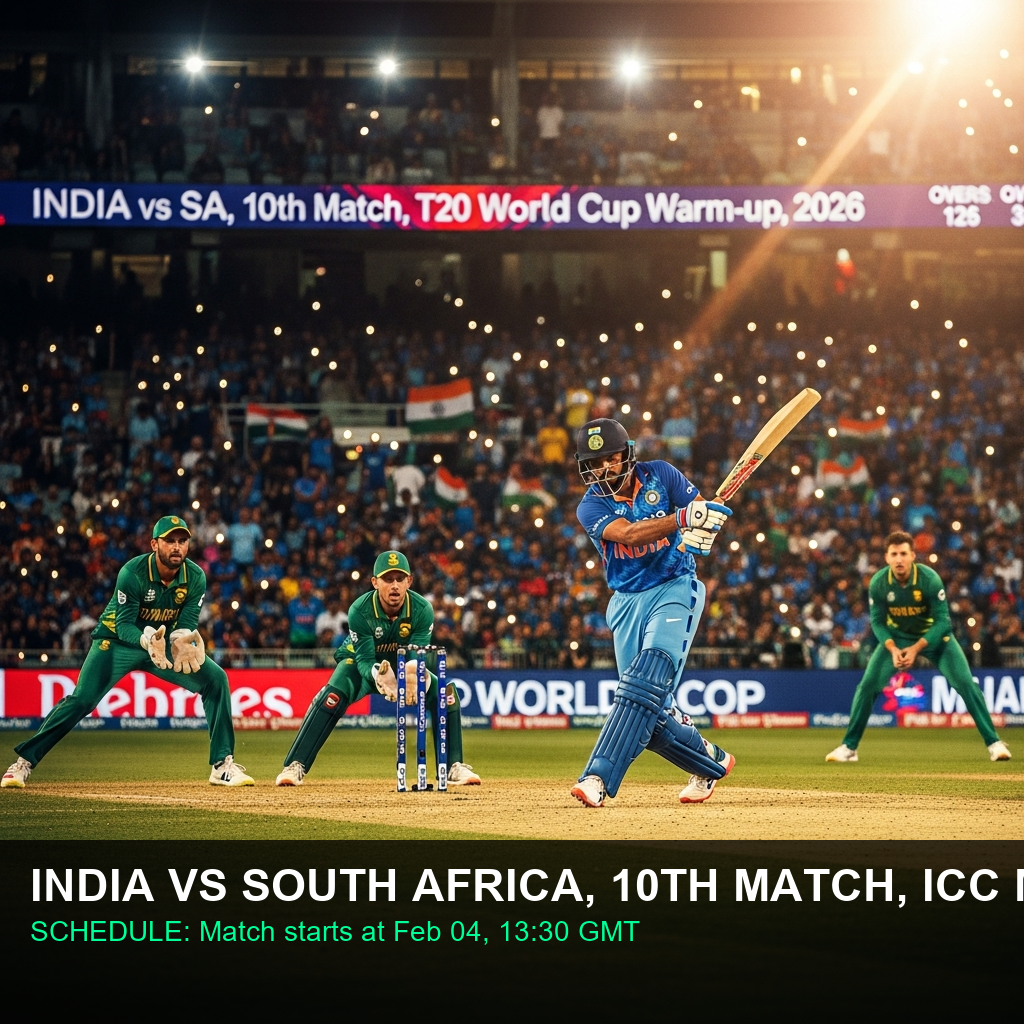

Toss Decoded: India vs. South Africa Warm-up at Dr. DY Patil - Your Winning Strategy
The ICC Men's T20 World Cup 2026 is on the horizon, and every warm-up match is a crucial testing ground. On February 4th, 2026, at 13:30 GMT, India and South Africa will lock horns at the Dr. DY Patil Sports Academy in Navi Mumbai. For the team winning the toss, the decision can be pivotal. Close-in Catcher dives deep into the historical trends and the unique climate of Navi Mumbai to offer a winning blueprint.
Dr. DY Patil Sports Academy: The Pitch Under the Microscope
The Dr. DY Patil Sports Academy is known for its generally balanced nature, offering something for both batsmen and bowlers. Historically, pitches here can offer good pace and bounce early on, which can be deceptive. As the game progresses, spinners can come into play, especially if there's any moisture in the outfield or dew on the surface later in the day. We've observed that early wickets can put significant pressure on the chasing side, while a par score can be defendable if bowlers exploit the conditions effectively.
Climate Considerations: Navi Mumbai's February Forecast
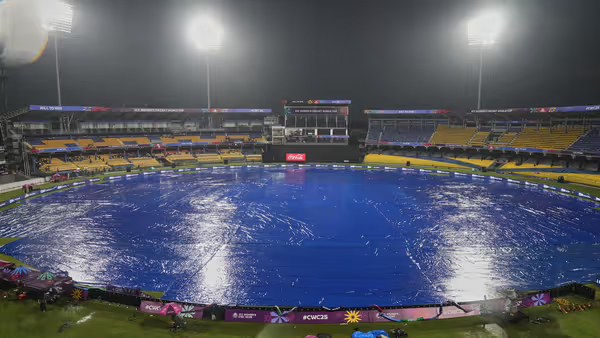
February in Navi Mumbai typically signifies the tail end of pleasant winter conditions, transitioning towards warmer weather. Expect moderate to high humidity levels, which can become a significant factor, especially in the afternoon. The key climate element to watch for will be dew formation. While the match starts at 13:30 GMT (7 PM IST, local time), the latter half of the innings could see a significant impact of dew, making it harder for spinners and favouring the chasing side if the dew is heavy.
Tactical Breakdown: Winning the Toss – To Bat or Bowl?
If You Win the Toss:
- Early Conditions: The first few overs often offer seam movement. If the pitch looks fresh with good grass cover, an early bowling advantage exists.
- Dew Factor: Given the 7 PM local start, dew is a strong possibility. If the forecast or observed conditions suggest heavy dew by the second innings, it heavily tilts the balance towards bowling first. The ability to grip the ball and for spinners to turn it becomes severely hampered.
- Historical Trends: We analyse past matches at this venue, particularly those with similar timings. If there's a consistent trend of the chasing side winning more often under similar dew conditions, this will be a strong indicator.
- Team Composition: Consider the strengths of your bowling attack, especially your death bowlers. If you have a potent pace battery capable of exploiting early swing and seam, batting first might be considered to set a target. However, the dew factor often negates this.
Our Recommendation (Based on History & Climate):
In a February afternoon/evening match at Dr DY Patil, with the potential for significant dew, winning the toss and bowling first is generally the statistically favoured option. This allows your bowlers to exploit any early helpful conditions without the pressure of defending under a potentially wet ball. It also puts the opposition batsmen under immediate pressure to set a challenging total against a fresh attack.
Fantasy Corner: Key Players & Strategies
For fantasy managers, understanding the toss decision is paramount:
- Bowlers: If India/SA bowls first, prioritise their opening bowlers and death bowlers. Spinners might struggle in the second innings if dew is heavy.
- Batsmen: If chasing, batsmen who excel against pace and can capitalise on any early scoreboard pressure will be key. Middle-order batsmen who can anchor the innings are crucial if batting first.
- All-rounders: Always a safe bet. They contribute with both bat and ball, mitigating risks associated with pitch conditions and toss decisions.
Stay tuned to Close-in Catcher for more in-depth analysis as we count down to the ICC Men's T20 World Cup 2026!