The Kambli Warning: Why 15-Year-Old Vaibhav Sooryavanshi Urgently Needs an Emotional Stop-Loss
15-year-old Vaibhav Sooryavanshi's ugly on-field shove in Dambulla highlights a deeper crisis. Beyond his List-A pacing failures, this piece breaks down why he urgently needs strict mentorship.

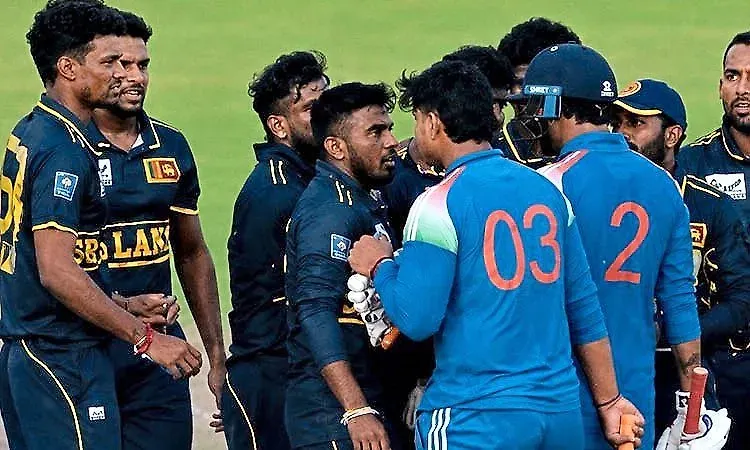
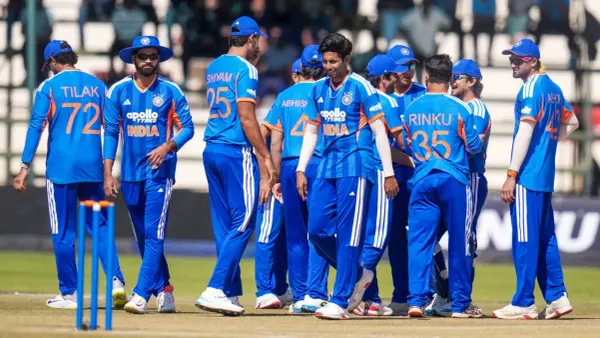
The line separating a generational sporting prodigy from a cautionary tale is incredibly thin. On Monday evening under fading light at the Rangiri Dambulla International Stadium, cricket fans caught a distressing glimpse of that boundary line. Following a high-friction, dramatic Super Over loss against host nation Sri Lanka A, India A's 15-year-old opening sensation Vaibhav Sooryavanshi completely lost his composure, engaging in a heated verbal altercation and physically shoving a Sri Lankan fielder before teammate Suryansh Shedge dragged him away.
For structural analysts and talent management executives, this ugly post-match scuffle should not simply be brushed aside as "youthful passion." When layered with his batting data across the ongoing Tri-Nation Series, this incident stands as an urgent warning sign. Without immediate, iron-clad mentorship, one of Indian cricket's brightest financial assets risks mimicking the volatile, unanchored career arc of Vinod Kambli.
The Pacing Illusion: Playing T20 in a 50-Over Marathon
To understand the emotional frustration that boiled over in the Super Over, one has to examine the underlying technical data. Fresh off a hyper-publicised, multi-crore Indian Premier League contract, Sooryavanshi entered this 50-over List-A tournament with massive external hype. However across three consecutive innings, a frustratingly predictable and reckless pattern has emerged:
- Match 1 vs Sri Lanka A: 14 runs off 12 balls (caught throwing away an explosive start early).
- Match 2 vs Afghanistan A: 44 runs off 21 balls (slammed 9 boundaries at a 200+ strike rate but failed to kick on).
- Match 3 vs Sri Lanka A (Today): 21 runs off 14 balls (blazed a six and three boundaries off Chamika Gunasekara before brainlessly holing out to a wide trap set by spinner Sahan Arachchige).
A structural look at these metrics reveals a glaring operational misalignment: Sooryavanshi is actively trying to play modern T20 cricket in a strategic, long-form 50-over marathon. Because his system has been heavily rewarded for hyper-aggressive, short-term blitzes in flatter domestic parameters, he currently lacks the tactical patience required to build an innings when forced to generate his pace against spinning variations. When the explosive starts continuously fizzling out into low-yield conversions, structural frustration builds.
The Danger of Early-Stage Market Overvaluation
The primary risk variable confronting Sooryavanshi isn't his batting mechanics; it is his sudden, vertical spike in financial and societal valuation before his emotional baseline has fully matured.
History provides a brutal baseline blueprint for this specific phenomenon: Vinod Kambli. In the early 1990s, Kambli burst onto the international scene with staggering, unprecedented double-centuries, possessing raw, unadulterated talent that briefly eclipsed even Sachin Tendulkar. However, the lack of behavioural guardrails, combined with a sudden influx of fame and high-beta lifestyle distractions, completely fractured his longevity.
At just 15 years old, he was hailed as the next multi-million-dollar asset, which created an artificial sense of invincibility. It distorts a young asset's internal risk parameters. They begin to treat complex, high-stakes international scenarios with a sense of entitlement, and when the field spreads or an opponent executes a brilliant tactical squeeze—like Sri Lanka’s Kugathas Mathulan did in the Super Over today—the emotional pressure valve breaks completely.
Close-in Catcher’s Take
Staggering talent without an accompanying framework of emotional intelligence is a highly dangerous corporate gamble. India A captain Tilak Varma and the coaching staff need to implement an immediate behavioural stop-loss on this asset. Vaibhav Sooryavanshi does not need more media praise or a looser leash to showcase his boundary-hitting capability; he requires hard-nosed, relentless psychological mentoring to anchor his temperament. The cricket market will aggressively expose a flawed mindset—and if he refuses to master his internal emotional parameters today, the system will eventually liquidate his potential long before it matures.
Master Your Internal Controls, Elevate Your Game! Whether it's anchoring a long-form cricket innings under extreme psychological stress or timing a perfect high-velocity press on the field, success depends entirely on structural discipline. With the FIFA World Cup currently dominating global sports streams, touch and precision remain the ultimate benchmarks of elite performance. Upgrade your training array with top-rated Official Match-Spec Footballs and Pro Training Accessories on Amazon India and command your field with absolute authority today!