The Pipeline Betrayal: Why Dropping India’s Fast Bowling Trio is a Massive Step Backward
The BCCI dropped young genuine quicks Mayank Yadav, Ashok Sharma, and Prince Yadav for the Afghanistan T20s. We analyze why this breaks India's bowling pipeline.

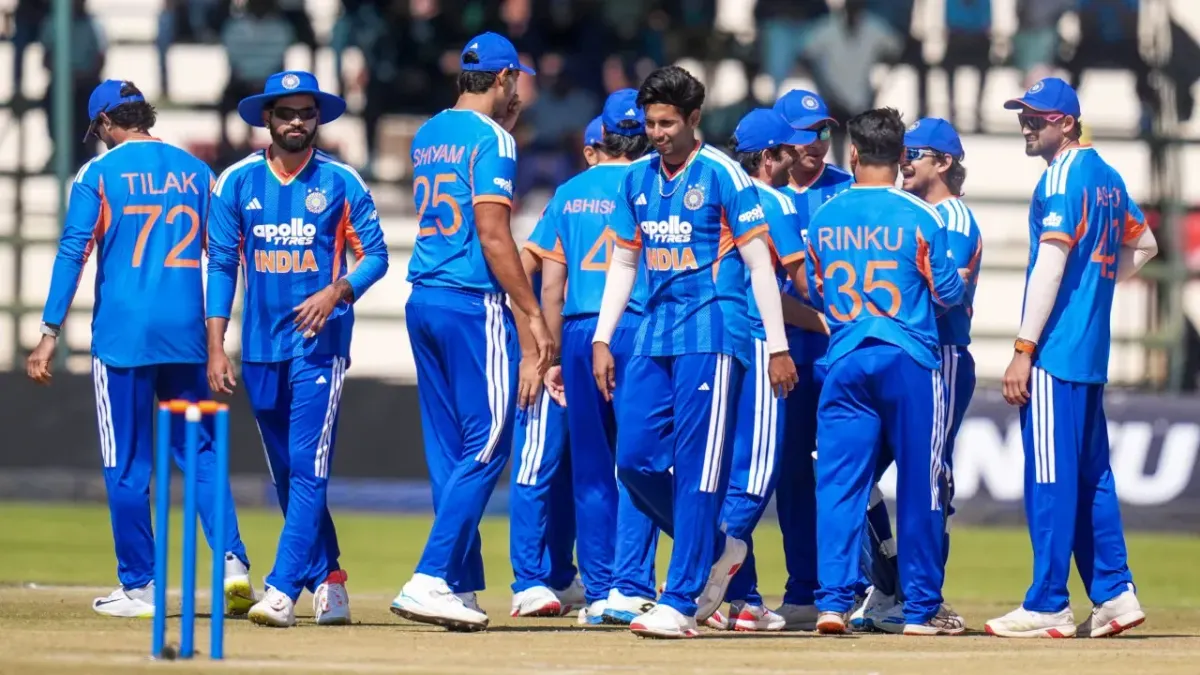
In professional sports, talent identification is only 10% of the battle. The other 90% is talent management. If you don't provide young, high-velocity assets with the runway they need to accumulate experience, you aren't building a team—you are just rotating jerseys.
Yesterday, the BCCI announced the 15-member squad for the upcoming three-match T20I series against Afghanistan in New Delhi. While the return of Jasprit Bumrah (subject to fitness) grabbed the headlines, the most alarming takeaway was a glaring omission: the complete removal of India’s most promising young pace trio.
Mayank Yadav, Ashok Sharma, and Prince Yadav—three raw, high-potential quicks who were blooded just weeks ago—have been entirely dumped from the squad.
In their place, the selectors have reverted to a safety-first approach, bringing back Arshdeep Singh and relying on the fitness-pending Jasprit Bumrah and Harshit Rana. For analytical fans tracking India's future fast-bowling portfolio, this isn't just a rotation; it is a structural regression.
The Disruption of Continuity
Fast bowling, especially extreme pace, is an incredibly fragile commodity. When a bowler capable of hitting 150 kmph (like Mayank Yadav) or possessing raw hostility (like Ashok Sharma) transitions to international cricket, they require absolute systemic backing. They need consecutive games to conquer their nerves, adjust their lengths, and feel secure in the dressing room.
By dropping all three immediately after introducing them, the BCCI has shattered that continuity.
What is the psychological impact on a young asset like Prince Yadav when he is dropped before he even gets a chance to string three solid international performances together? The message sent is toxic: "You are not an investment; you are a temporary placeholder."
The Illusion of "First-Choice" Security
The justification for these drops is the return of India’s "first-choice" bowlers. But let’s look at the reality. Jasprit Bumrah has not played a T20I since the World Cup and is returning from a knee injury. His participation, along with Harshit Rana and Nitish Kumar Reddy, is still "subject to fitness clearance."
Why is the BCCI dropping healthy, hungry young fast bowlers to accommodate senior players whose bodies are currently flashing warning signs?
If Bumrah or Rana break down during the series, India will be forced to scramble, leaving them with an undercooked pace attack. This was the perfect low-stakes bilateral series to rest the seniors completely and give Mayank, Ashok, and Prince a full, uninterrupted three-match run against a dangerous Afghan batting lineup.
Close-in Catcher’s Take
A team is only as good as the depth of its bench, and right now, the BCCI is actively demoralizing its own depth. By treating genuine quicks like disposable commodities, the management is destroying the very pipeline they claimed to be building just a month ago.
If you want to build a pace battery that can dominate the 2027 World Cup in South Africa, you cannot operate with a short-term, panic-driven mindset. Give the kids the ball, and more importantly, give them the time.
Build Your Own Unbreakable Foundation! You cannot dominate the pitch without the right tools and consistent backing. Whether you are building a fast-bowling action or perfecting your cover drive, elite execution demands elite gear. Upgrade your training standards today with top-ratedEnglish Willow Bats, Pro Leather Balls, and Premium Training Gear on Amazon India and master your own game!
☕ Love the uncompromising tactical breakdowns? If you want to keep the hard-hitting debates and deep-dive analytics coming, you can now support the channel directly!Buy me a coffee here!