The Price of Probation: Why India’s Belfast Disaster is a Masterclass in Broken Leadership
India's historic, crushing defeat to Ireland in Belfast exposes the fatal flaw of "unsecured leadership." We dissect the tactical collapse and selection blunders behind Shreyas Iyer’s nightmare captaincy debut.

In the corporate world, there is a golden rule: You cannot ask an executive to turn a struggling division around if their own employment contract is still on probation.
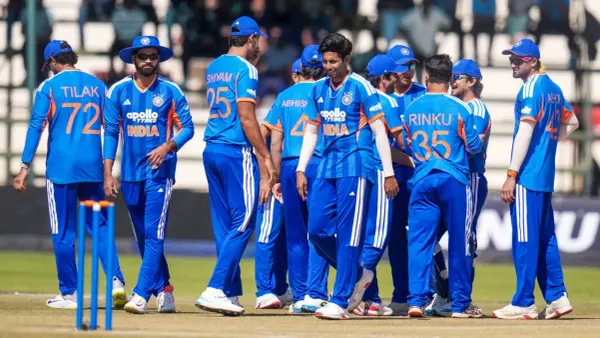
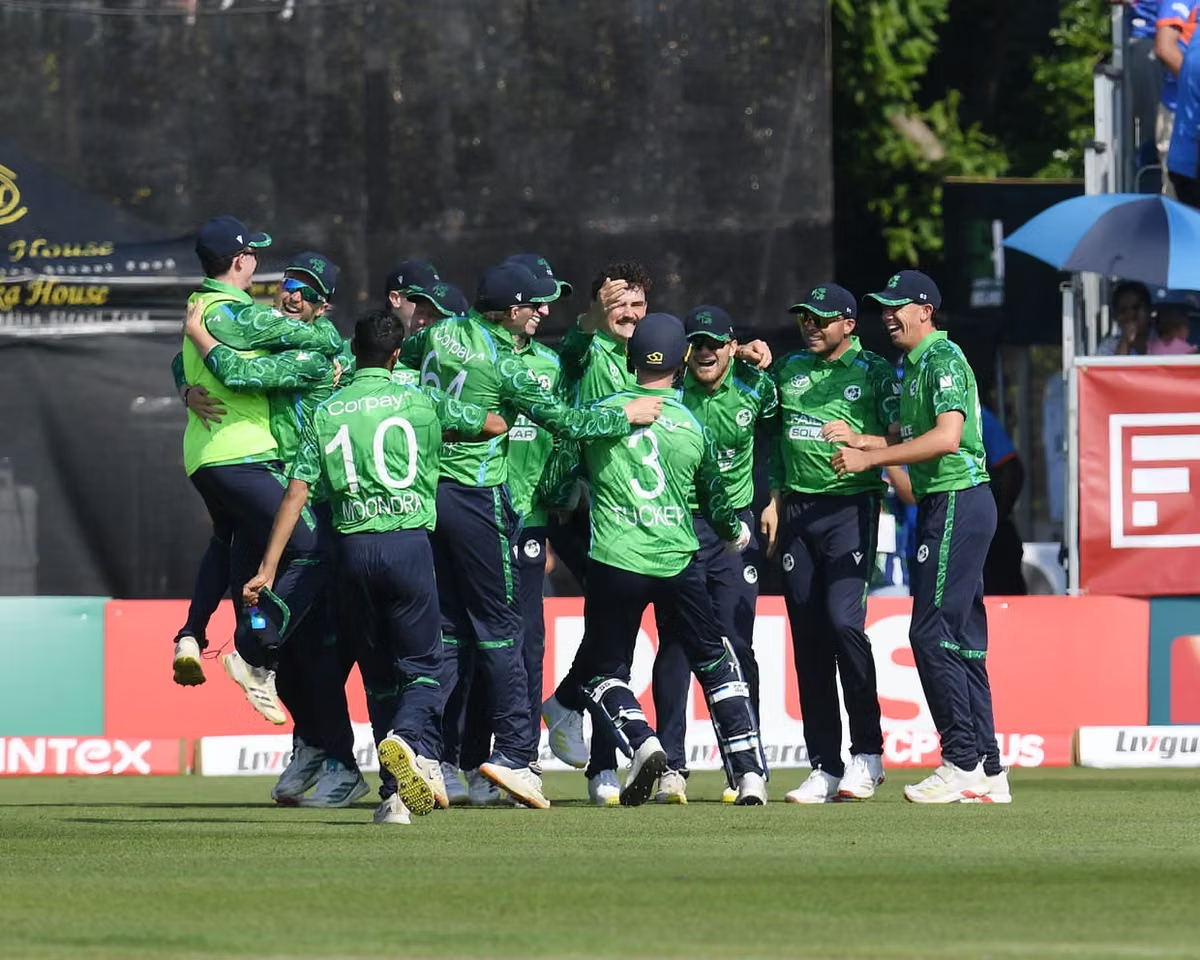
Today at the Stormont Cricket Ground in Belfast, Indian cricket violated this fundamental law of leadership. The result was a historic, humiliating, system-wide failure. Ireland defeated India by 34 runs, securing their first-ever victory over the Men in Blue in any format of the game.
For casual viewers, the match will be painted as a classic, romantic underdog story. Ireland played fearless, high-octane cricket, driven by a captain’s knock of 50 from Lorcan Tucker and a clinical 3-wicket haul from debutant Matthew Hollard.
But let’s be brutal. This wasn't just a remarkable Irish performance. It was a self-inflicted Indian disaster, born of selector over-engineering, tactical complacency, and the massive mistake of hand-delivering the captaincy to a player who hasn't even cemented his own starting spot.
The Nightmare of "Unsecured" Leadership
Leadership is built on authority, and in cricket, that authority is backed by runs and a guaranteed spot in the playing XI. We call this "selection equity".
When MS Dhoni or Rohit Sharma stood at the slip cordon, players followed their tactical plans because their positions in the team were unshakeable. They had the security to make ruthless, high-stakes decisions on the field.
Now look at Shreyas Iyer.
Before today’s match in Belfast, Iyer had not played a single T20I for India since December 2023. His place in India's incredibly crowded middle-order is under constant threat from younger, more explosive talent. Yet, the selectors didn't just recall him; they handed him the captaincy armband.
This moment is where the entire system broke.
When you place a "probationary" captain at the wheel, the team dynamic immediately shifts. How can a captain command absolute authority and demand clinical execution from his players when he is actively fighting his own inner demons to survive on the side?
You could see that mental weight crushing Iyer today. He scratched his way to a painful, hesitant 3 off 7 balls, looking utterly distracted. By attempting to solve Iyer's batting-form anxieties by throwing him the captaincy, the selectors didn't just expose him—they compromised the entire team's backbone.
A Contrast in Intent: Lorcan Tucker vs. India's Incumbent Drift
The difference in leadership today was stark.
Irish skipper Lorcan Tucker walked out with total clarity. He anchored Ireland’s aggressive batting transitions, absorbing the pressure and firing a superb 50 off 36 balls. Under his guidance, Irish debutants like Matt Hollard bowled with the clear, aggressive intent of young players hungry to make a statement.
India, by contrast, played like a team that assumed their historical brand name would win the match for them.
After choosing to bowl first on a tacky Belfast deck, the bowling lacked teeth, letting Ireland march to a formidable 182.
In response, the chase was a chaotic, unanchored train wreck. Yes, Abhishek Sharma gave us a breathtaking flash of brilliance with a rapid 50 off 20, but the moment he fell, the middle order disintegrated. Without a secure, confident leader to steady the ship, India collapsed to a dismal 148.
Close-in Catcher’s Take
Dropping a proven, world-champion T20 leader like Suryakumar Yadav to accommodate an unestablished asset like Shreyas Iyer as captain is a catastrophic selection blunder.
If a player is looking over their shoulder wondering if they will be dropped for the next match, they do not have the cognitive bandwidth to lead a national team. By prioritising overconfident branding and political succession plans over simple, merit-based selection logic, India got exactly what they deserved today.
Ireland didn't just win a cricket match in Belfast; they exposed a system that has forgotten that true leadership must be earned, not gifted.